Debt-to-income ratio, or DTI, answers one question: of everything you earn each month, how much is already spoken for by debt payments? It is one of the first numbers a lender computes, often before it looks at anything else in your application, because it answers a more practical question than your credit score does: can you actually afford one more payment?
The maths
Say you earn ₱30,000 a month. You're paying ₱4,000 on a motorcycle loan and ₱2,000 on a credit card. Your existing debt payments total ₱6,000. Your DTI is ₱6,000 ÷ ₱30,000 = 20%. Add a new personal loan with a ₱5,000 monthly payment, and it becomes (₱6,000 + ₱5,000) ÷ ₱30,000 = 37%.
What counts as "debt"
- Existing loan and credit card minimum payments
- Car or motorcycle amortisation
- Any loan you are a co-maker or guarantor on, in most lenders' calculations
- The new loan you are applying for, once approved
Rent, utilities, groceries and other living expenses are usually not counted in DTI, even though they leave your account every month too. DTI specifically measures debt obligations, not total spending.
Why the number matters more than your intentions
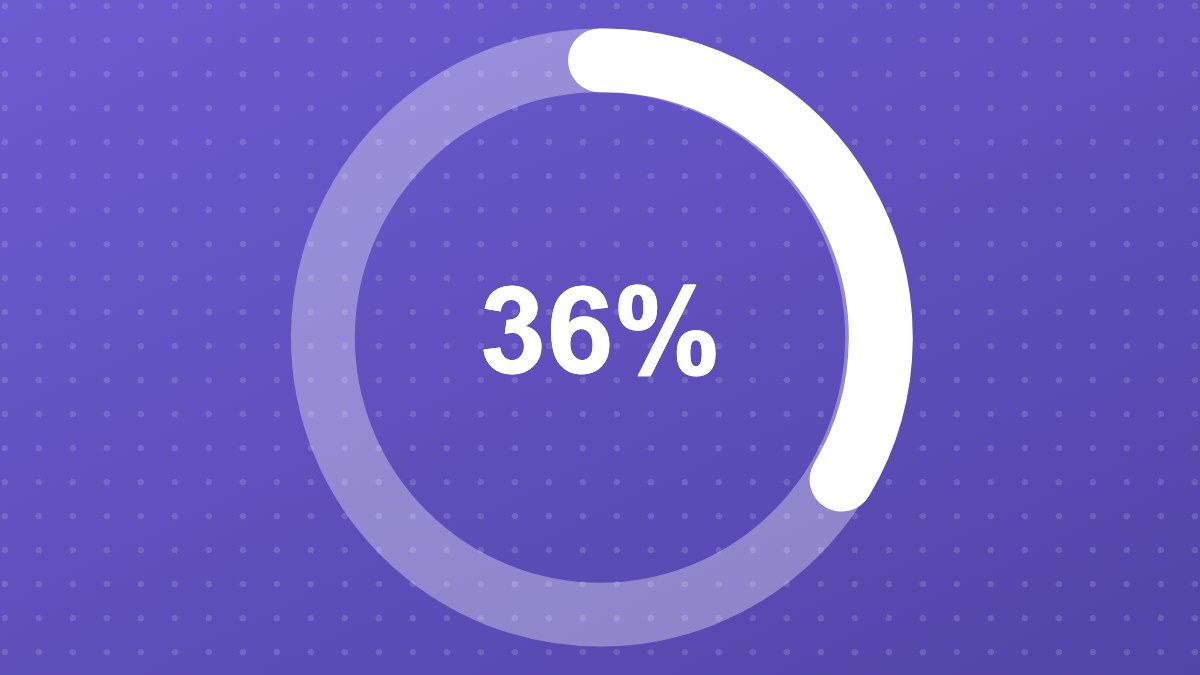
A high DTI is not a judgment on your character. Some lenders will simply cap how much more they will lend once your DTI crosses a threshold, commonly cited around 36% as a rule of thumb, though each lender sets its own line, some looser and some stricter. Cross it, and the outcome is usually a smaller approved amount or a decline, even with a spotless payment history on everything else.
How to work with it, not against it
- Calculate yours before you apply. If it is already near 35 to 40%, expect a smaller approved amount than the maximum a lender advertises.
- Paying down an existing balance before applying, even partially, lowers your monthly obligation and your DTI with it.
- A longer term lowers the new loan's monthly payment, which lowers DTI, but read the total cost, not just the monthly figure. How term length changes what you actually pay.